Flooding can be a devastating experience, especially for residents in areas prone to heavy rains or sudden storms. For those living in Mesa, Arizona, the threat of water damage may not always seem immediate, yet it is crucial to recognize the risks and take proactive measures. The consequences of flooding extend beyond mere inconvenience; they involve significant financial costs, health hazards, and emotional distress. This article will delve into practical strategies to prepare your home for potential flooding and mitigate the risk of water damage.
Understanding Flood Risks in Mesa
Mesa's unique geography makes it susceptible to various types of flooding. While the city enjoys a dry climate most of the year, seasonal storms can lead to flash floods, particularly in low-lying areas or near rivers and arroyos. The rapid accumulation of rainwater can overwhelm drainage systems, leading to water spilling into streets and homes. Understanding these risks is the first step towards effective flood preparation.
Historical Context
Reflecting on past incidents can provide valuable insight into what residents might face. In 1980, a significant storm produced over four inches of rain within hours, inundating roads and properties across Mesa. More recently, severe weather events have occurred with increasing frequency, showcasing that even in arid regions like Arizona, residents should remain vigilant.

Assessing Your Property’s Vulnerability
Every home has its unique vulnerabilities when it comes to flooding. The first https://gunnertrum005.theburnward.com/highlighting-grassroots-movements-dedicated-to-supporting-vulnerable-populations-after-disasters step in preparing your home is conducting a thorough assessment to identify potential weak points.

Key Areas to Evaluate
Begin by examining the following areas:
Basement and Crawl Spaces: These areas are typically at higher risk for water intrusion due to their proximity to ground level. Roof and Gutters: Ensure your roof is well-maintained and that gutters are clear of debris to facilitate proper drainage. Landscaping: The grading around your home should direct water away from the foundation. Windows and Doors: Look for any gaps or cracks that could allow water to seep through during heavy rains. Sump Pump Functionality: If you have a sump pump installed, test it regularly to ensure it operates effectively when needed.By identifying these vulnerable spots, homeowners can take targeted actions to fortify their properties against flooding.
Implementing Preventive Measures
Once you have assessed your property’s vulnerabilities, the next step involves implementing preventive measures to minimize risks.
Elevate Key Utilities
One effective strategy is elevating key utilities above potential flood levels. This includes relocating electrical panels, HVAC units, and water heaters if they are situated in basements or other low-lying areas. This adjustment not only protects these essential systems but also complies with local building codes aimed at flood prevention.
Install Flood Barriers
Consider investing in flood barriers or sandbags that can be deployed during storm warnings. These barriers act as a physical deterrent against rising waters entering your home. They are especially useful if you live near an area prone to rapid flooding.
Enhance Drainage Systems
Improving drainage systems around your property can significantly reduce flood risk. This might involve installing French drains or rain gardens designed to absorb excess rainfall efficiently. Furthermore, maintaining existing drainage systems by clearing debris from gutters and downspouts ensures optimal performance during heavy rains.
Creating an Emergency Plan
Preparation goes beyond physical changes; developing an emergency plan is crucial for safety during a flood event.
Components of Your Emergency Plan
Your emergency plan should include:
- Evacuation Routes: Identify multiple routes out of your neighborhood that avoid potential flooded areas. Emergency Contacts: Maintain an updated list of contact numbers for family members, friends, local authorities, and services like Bloque Restoration for immediate assistance with water damage restoration. Supplies Kit: Assemble an emergency kit filled with essentials such as bottled water, non-perishable food items, flashlights with batteries, medications, and important documents stored securely.
Regularly review this plan with all household members so everyone knows what steps to follow during an emergency.
Staying Informed About Weather Conditions
Staying updated on weather forecasts is vital for preemptive action against flooding threats.
Utilizing Technology
Modern technology offers various tools that help monitor weather conditions effectively:
Weather Apps: Smartphone applications provide real-time alerts about severe weather warnings specific to your area. Local News Outlets: Tune into radio stations or television broadcasts for updates on impending storms or flash floods. Community Alerts: Sign up for local community alert systems that notify residents about emergencies through text messages or emails.Being informed empowers residents to react promptly when dangerous weather approaches.
Post-Flood Actions: Restoration Considerations
In the unfortunate event that flooding occurs despite preventive measures taken beforehand, knowing how to respond quickly can make all the difference in minimizing damage.
Initial Steps After Flooding
If you find yourself facing significant water intrusion:
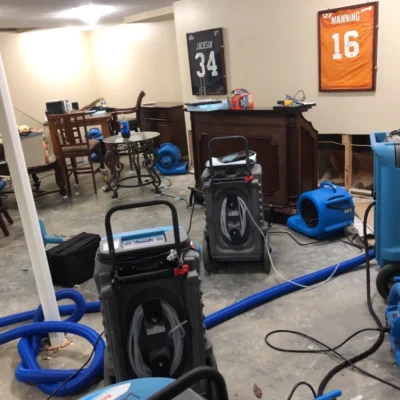
Ensure safety first—avoid entering flooded areas until authorities declare them safe. Document damages thoroughly with photographs before cleaning begins; this documentation will assist with insurance claims. Contact professional restoration services immediately—companies like Bloque Restoration specialize in effective water damage restoration in Mesa AZ and can help mitigate further damage efficiently.Professional restoration services possess the expertise necessary not only for cleanup but also for assessing hidden moisture sources that may lead to mold growth if not addressed promptly.
Long-Term Considerations
While immediate actions focus on preparation and response strategies surrounding floods themselves, considering long-term solutions will enhance resilience against future incidents.
Home Improvements
Investing in permanent improvements such as waterproofing basements or using materials resistant to moisture can minimize long-term impacts from occasional flooding events over time—not just protecting property value but also ensuring peace of mind knowing you've fortified your home against nature's unpredictability.
Additionally consider engaging with local government initiatives aimed at improving community-wide flood management efforts—these programs often include grants or incentives available specifically targeting homeowners keen on enhancing their properties’ resilience against natural disasters like floods.
Conclusion
Flood prevention isn't merely about reacting; it's about being proactive as a homeowner committed both personally and financially towards safeguarding one’s residence from inevitable weather fluctuations experienced throughout mesa arizona's seasons year after year! By understanding risks involved while implementing preventative measures coupled with creating sound plans ahead – individuals significantly lower chances catastrophic losses stemming from unpredictable environmental factors impacting their lives directly!
Bloque Restoration
1455 E University Dr, Mesa, AZ 85203, United States
+1 480-242-8084
[email protected]
Website: https://bloquerestoration.com