Flooding can strike unexpectedly, leaving behind a trail of destruction that affects not only property but also the quality of water in the area. In Mesa, Arizona, where seasonal rains can lead to sudden and severe flooding, understanding the implications for water quality is essential. The aftermath of flooding poses significant risks to public health and safety, making it crucial for residents to be informed and prepared.
Water contamination is a pressing concern after floods due to the possible introduction of harmful substances into local waterways. Floodwaters often carry debris, chemicals, sewage, and other pollutants that compromise water safety. For residents in Mesa, recognizing how flooding alters water quality and knowing what steps to take can make all the difference in ensuring their health and well-being.
Understanding Water Contamination Risks
Following a flood event, various contaminants can infiltrate both drinking water supplies and surface waters. Common sources of contamination include:
Sewage Overflows: With heavy rains, sewer systems can become overwhelmed, leading to untreated sewage spilling into streets and waterways.
Agricultural Runoff: Floodwaters may wash fertilizers, pesticides, or herbicides from agricultural fields into nearby streams or rivers.
Industrial Waste: Facilities near bodies of water sometimes release harmful chemicals during flooding events.
Debris Accumulation: Physical debris like trash or dead animals can introduce pathogens into the water supply.
Groundwater Contamination: Flooding can also affect underground aquifers by allowing surface contaminants to leach through soil layers.
These factors contribute to an increased risk of diseases transmitted through contaminated water. Pathogens such as bacteria and viruses thrive in such environments, posing health hazards that can affect entire communities.
Local Regulations and Response Measures
Mesa has regulations in place for managing floodwater and ensuring public safety. The city works closely with health departments to monitor water quality following significant rainfall events. Residents should stay informed about local advisories concerning water use after a flood; these advisories may recommend boiling water before consumption or using alternative sources until testing confirms safety.
Homeowners are encouraged to report any instances of sewage overflow or visible contamination they may encounter post-flooding. Quick reporting helps authorities respond effectively and mitigate potential hazards within affected areas.

Assessing Your Water Supply
If you live in an area prone to flooding, it's important to assess your water supply after a flood event carefully. Here are some practical steps you can take:
- Check for Discoloration: If your tap water appears cloudy or discolored post-flooding, avoid using it until further notice. Smell for Unusual Odors: Any foul odors emanating from your tap could indicate contamination. Monitor for Changes in Taste: Unusual tastes in drinking water are red flags that suggest you should refrain from consuming it.
In case of any doubts regarding your local drinking water's safety, reach out to your municipal provider or consider contacting a local expert who specializes in water damage restoration services like Bloque Restoration. They have the expertise required to address specific concerns about contaminated systems or flooded structures effectively.
Testing Water Quality
Testing your water supply is vital if you suspect contamination due to recent flooding. Home testing kits are available at many hardware stores or online retailers; these kits typically allow homeowners to test for common contaminants such as bacteria (E.coli), nitrates, pH levels, and heavy metals like lead or copper.
For more comprehensive testing, consider hiring professionals who specialize in environmental assessments; they will conduct thorough analyses using advanced methods beyond standard home tests. Testing results can guide decisions regarding whether your well or municipal supply is safe for consumption or requires treatment before use.
Treatment Options for Contaminated Water
If testing reveals contamination https://tysonxtfn933.theglensecret.com/top-10-faqs-about-water-damage-restoration-in-mesa-az in your drinking supply after flooding events, several treatment options exist:
- Boiling Water: Boiling is one of the simplest methods effective against most pathogens. Filtration Systems: Investing in high-quality filtration systems with certified filters can help remove specific contaminants from drinking water. Chemical Treatments: Chlorination or iodine tablets may be used as temporary solutions but should follow guidance from health authorities on proper usage methods. Professional Intervention: In cases where serious contaminants are present (e.g., heavy metals), professional remediation services might be necessary for complete resolution.
It is essential always to adhere strictly to guidelines provided by local health departments when treating contaminated water supplies post-flooding situations.
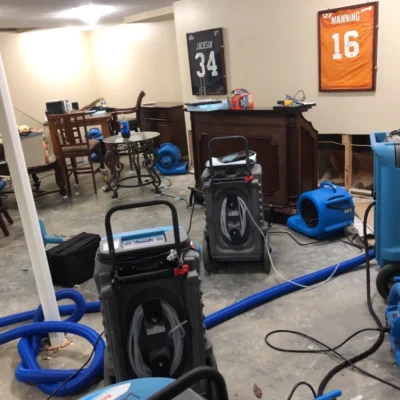

Restoring Your Property After Flood Damage
Apart from addressing immediate concerns surrounding drinking water safety following floods in Mesa, residents must also consider how best to restore their properties once waters recede. Water damage restoration efforts require attention not only toward structural integrity but also toward preventing mold growth which thrives under damp conditions left behind by flooded areas.
Engaging with experienced professionals specializing in restoration services like Bloque Restoration ensures proper assessment and remediation techniques tailored specifically towards homes affected by floodwaters—these experts possess knowledge spanning necessary repairs alongside ongoing maintenance tips aimed at minimizing future risks related to moisture intrusion into living spaces over time.
Signs You May Need Professional Help
While some homeowners take on minor repairs themselves post-flooding scenarios—such as drying out carpets or removing damaged drywall—certain signs indicate when it’s time for professional intervention:
Persistent Mold Growth: If visible mold returns despite cleaning efforts.
Unpleasant Odors: Lingering odors suggest deeper issues requiring specialized equipment removal.
Structural Damage Indicators: Cracks appearing on walls/floor surfaces may signal underlying complications needing expert evaluation.
Electrical Concerns: Any electrical wiring exposure due too standing floodwaters should always prompt immediate consultation with licensed electricians familiar with recovery practices related specifically towards flooded properties.
Compromised HVAC Systems: If heating/cooling units were submerged during floods—they likely need professional inspection/treatment before being reactivated safely again!
Taking preventative measures now will save headaches down the line as families navigate everyday life amid Mesa's unpredictable weather patterns over time while safeguarding against similar disasters occurring again later on!
Long-term Considerations for Water Safety
As climate change progresses and extreme weather becomes increasingly common across many regions—including Arizona—it is vital not only for individual homeowners but also community leaders/officials alike—to prioritize sustainable strategies aimed at improving overall infrastructure resilience against flooding events impacting potable resources moving forward!
These initiatives include investing more heavily into stormwater management systems designed specifically around capturing excess rain runoff while reducing pollution levels entering natural waterways surrounding neighborhoods throughout this beautiful state!
Additionally promoting conservation efforts educating residents about responsible usage habits along with encouraging community involvement regarding clean-up initiatives following any major storms experienced throughout Mesa will foster stronger relationships between locals while yielding healthier ecosystems benefiting everyone involved!
Understanding how flooding impacts both personal residences along with broader regional concerns relating back towards collective responsibility ensures better preparedness when facing future challenges head-on together united under shared goals focused primarily around enhancing public wellness through improved accessibility towards safe clean sources essential nourishment we all deserve!
Bloque Restoration
1455 E University Dr, Mesa, AZ 85203, United States
+1 480-242-8084
[email protected]
Website: https://bloquerestoration.com